
Cranial Osteopathy
Cranial Osteopathy
Cranial Osteopathy is a gentle therapy and is used on adults and young babies and children. Cranial Osteopathy is a refined and subtle treatment using techniques which apply very gentle pressure to the head and spine to encourage the release of stresses and strains.
Cranial osteopaths are trained to feel very subtle rhythmic changes in the skull and throughout the body’s tissues. This is sometimes referred to as involuntary motion or the cranial rhythm. By assessing these subtle patterns, a cranial osteopath may be able to identify areas of reduced movement, tension, stress, or strain within the body.
Although cranial osteopathy is often associated with the head, its effects are not limited to the cranium. Emerging understanding of the body’s fluid systems, including the glymphatic and lymphatic drainage pathways of the brain and nervous system, may help explain why changes in cranial rhythm can reflect wider patterns of tension and function throughout the body.
What is cranial osteopathy?
Cranial osteopathy is a refined area of osteopathic practice that uses highly skilled, very gentle touch to work with the head, spine and body as a whole. It is not a superficial “head massage”, but a subtle, hands-on approach that aims to support the body’s natural balance, ease patterns of tension, and help the nervous system and connective tissues function more comfortably.
Cranial osteopathy may be used to support people experiencing:
Headaches
Migraines
Jaw tension or TMJ-related discomfort
Neck, back or shoulder pain linked with stress, posture or tension patterns
Sleep difficulties, stress, anxiety and fatigue states
Pregnancy and postnatal tension or discomfort
Digestive or tension-related discomfort
Recovery after injury, trauma or periods of physical or emotional stress
Babies and children with concerns such as reflux, feeding difficulties, unsettled sleep, colic, flat head shape or tension following birth
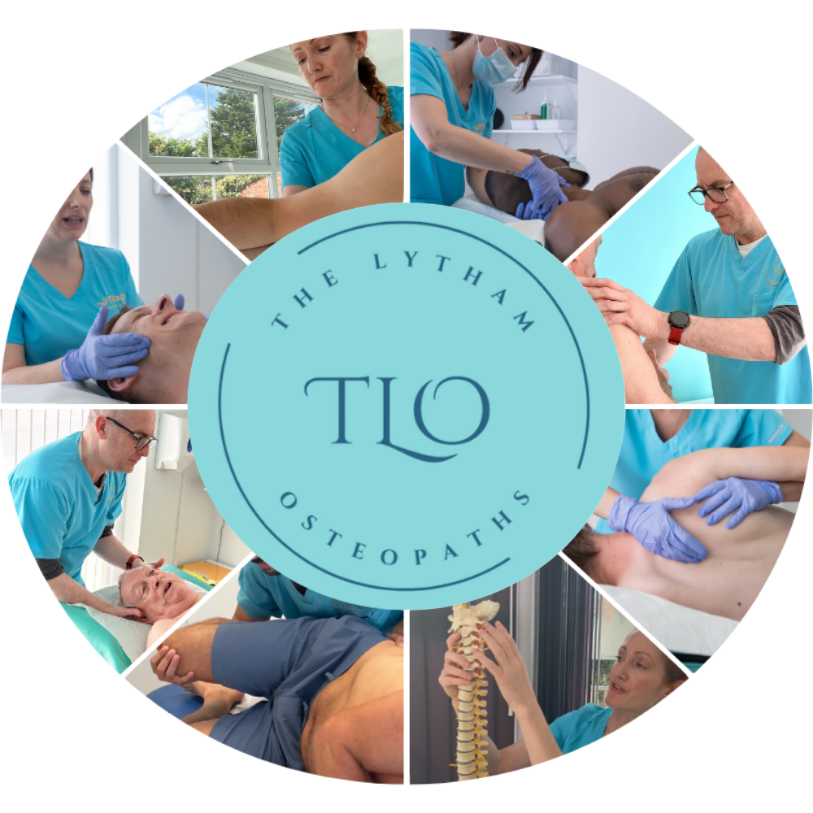
During treatment, your cranial osteopath will place their hands gently on or beneath the head, spine or other areas of the body. Using highly developed palpation skills, they assess subtle patterns of tension and restriction that may have built up through stress, strain, injury, posture, birth or illness.
Patients may notice sensations such as warmth, pressure, softening, movement, or gentle release, either beneath the osteopath’s hands or elsewhere in the body. Many people experience a gradual easing of tension and a deep sense of relaxation during or after treatment.
